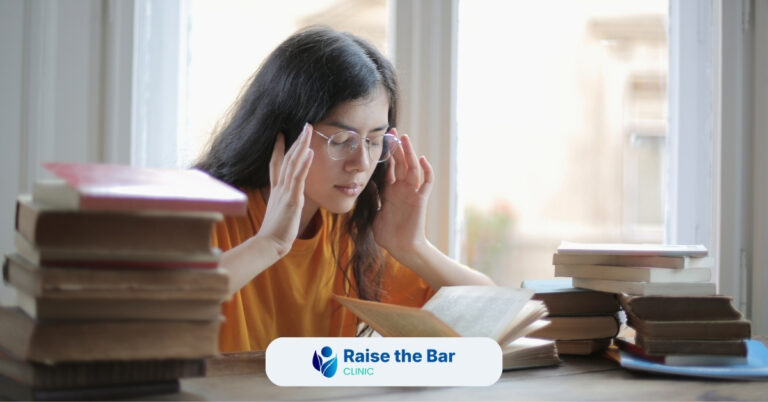

Has your child’s teacher mentioned they’re having difficulty in class, or that they need extra support to keep pace with their peers? Maybe you’ve noticed your child struggles to settle at bedtime, finds friendships hard to navigate, or reacts strongly to small changes in routine. When patterns like these show up at home or school, many Melbourne parents start searching for a psychology assessment for kids to help explain what’s going on and what to do next. Assessments for children don’t just lead to a label. They build a detailed picture of how your child thinks, learns, and manages the world, and point towards the kind of support that will genuinely help.
What Do Assessments for Children Actually Involve?
A learning or neurodevelopmental assessment is led by a registered educational and developmental psychologist and draws on several sources of information: standardised testing, observation, and interviews with the people who know your child best, including parents, teachers, and sometimes other allied health professionals. Rather than looking at a single behaviour in isolation, the process builds a rounded understanding of your child’s strengths, differences, and challenges across home, school, and social settings.
At Raise the Bar Clinic, we offer a full range of assessments for children across Melbourne, from our early childhood assessment packages for children as young as two years old, to our school-age assessment packages for primary school aged children. Each assessment plan is built around the specific questions a family is trying to answer, rather than following a one-size-fits-all template. When appropriate, results can support applications for NDIS funding, disability inclusion funding in schools, and individual education plans (IEPs) at school.
Signs Your Child May Benefit From an Assessment
There’s no single sign that means an assessment is needed. It’s usually a combination of patterns that persist over time and affect how your child functions at home, at school, or with friends. Common reasons families reach out include:
- Ongoing difficulty with reading, writing, or maths despite extra help at school
- Delays in reaching speech, motor, or social milestones
- Difficulty understanding social cues, taking turns, or forming friendships
- Big emotional reactions, meltdowns, or a strong need for routine and predictability
- Trouble sitting still, following instructions, or completing tasks
- A teacher, GP, or paediatrician has raised a concern
- Questions about whether your child is ready to start primary school
If several of these sound familiar, it may be worth exploring a child assessment to get a clearer picture of what’s driving the pattern.
Types of Assessments for Children
Every child’s needs are different, so the type of assessment recommended depends on the specific questions a family wants answered.
include Preschool and early primary developmental assessment
Autism Assessment
An autism assessment for kids in Melbourne can be completed from as young as two years old and typically involves standardised testing, interaction with your child in the clinic, and input from parents, teachers, and other professionals. Many autism assessments also include a cognitive assessment, which helps identify any additional supports your child might benefit from.
Child ADHD Assessment
A child ADHD assessment draws on behaviour rating scales completed by parents and teachers, alongside a clinical interview and observation. This combination helps build an accurate picture of attention, impulsivity, and organisational skills across different environments, rather than relying on how a child presents in a single setting.
Cognitive and Learning Assessment
A cognitive assessment for children looks at reasoning, memory, processing speed, and problem-solving, all of which underpin learning. Working with a learning assessment psychologist means the testing and recommendations are tailored specifically to how your child learns, rather than a generic checklist. When reading, writing, or maths concerns are present, this type of assessment can identify whether a specific learning disorder, such as dyslexia, dysgraphia, or dyscalculia, is part of the picture.
Preschool and Early Primary Developmental Assessment
A preschool and early primary developmental assessment helps identify how a young child is developing across key areas, including language, cognition, motor skills, social-emotional development, behaviour, and early learning skills. These assessments can identify developmental delays, learning differences, or other factors that may affect a child’s transition into school, allowing families to access appropriate supports and intervention as early as possible.
Early Childhood Developmental Assessment
For children who haven’t yet started school, a developmental assessment looks across cognitive, language, motor, social, and adaptive skills to identify areas that may benefit from early intervention.
School Readiness Assessment
A school readiness assessment can help families decide whether their child is ready to start primary school, particularly for children with birthdays close to the school-entry cut-off.
What to Expect During the Assessment Process
While every assessment is tailored to the individual, most follow a similar structure:
- Booking and consent. You share your concerns and goals so we can match your child with the right psychologist and assessment type.
- Clinical intake. Your psychologist gathers background information and explains what the assessment will involve.
- Assessment sessions. Your child attends one to three sessions, depending on the assessment type, involving standardised testing and observation.
- Feedback and report. A feedback session and comprehensive written report, generally provided around four weeks after the final assessment session
- Ongoing support. Many families return for child-friendly feedback sessions, school consultation, or parent coaching to help put recommendations into practice.
For a full breakdown of session inclusions and pricing, see our assessment packages page.
When an Assessment May Not Be the Right First Step
An assessment is a significant step, and it isn’t always the right starting point. If concerns are new, mild, or closely tied to a specific situation, such as a house move or a change of teacher, it may be worth giving strategies at home and school some time to work first. Some families are also unsure whether their concerns warrant a full assessment or whether a shorter conversation would help them decide.
If you’re not sure which path fits your family, a discovery call is a free, no-pressure way to talk through what you’re noticing and find out whether an assessment is the right next step, or whether another form of support might suit better first.
Common Questions About Assessments for Children
Who conducts the assessment?
Assessments are conducted by a registered assessment psychologist experienced in working with children, using evidence-based tools tailored to each child’s age and needs.
Do I need a referral for an assessment?
No referral is needed. Our team can help you work out which assessment would be most useful based on your child’s needs.
Can I get a Medicare rebate?
Medicare rebates may be available if your child is referred under items for complex neurodevelopmental disorders and eligible disabilities by a paediatrician or psychiatrist.
How long does an assessment take?
This depends on the type and number of assessments required. Most involve an intake session, one to three assessment sessions, and a feedback session, with the report provided at the feedback session, around four weeks after the final assessment session.
What age can a child be assessed?
We see children from as young as two years old, with assessment tools and approaches tailored to each age group.
Can assessment results be used for NDIS or school funding applications?
When appropriate, a comprehensive report can support NDIS applications, disability inclusion funding in schools, and individual education plans (IEPs), though eligibility depends on individual circumstances.
What if I’m not sure an assessment is the right step?
Booking a discovery call is a good starting point. It gives you a chance to talk through your concerns before deciding whether a full assessment is needed.
Final Thoughts
Deciding to pursue assessments for children is rarely a small decision, and it’s natural to have questions along the way. What matters most is getting a clear, accurate picture of how your child thinks, learns, and experiences the world, so any support put in place actually fits their needs. Whether your child is starting school, navigating friendships, or working through learning challenges, the right assessment can turn uncertainty into a clear path forward for Melbourne families.
If you’d like to talk through your child’s needs, book a discovery call with our team. We’re here to help you find the right assessment pathway for your child.