School Holiday Ideas
For kids with learning difficulties, the school holidays are often a time for them to relax and not have to think about school work. In…
For kids with learning difficulties, the school holidays are often a time for them to relax and not have to think about school work. In…
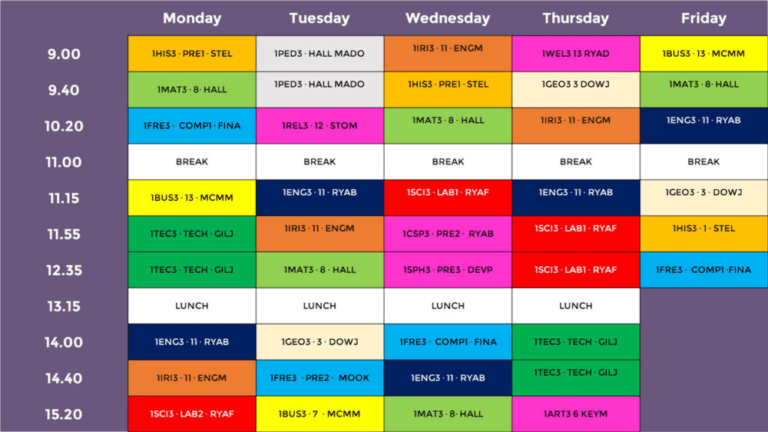
Environmental Considerations Ensure consistent routines are in place. Recognising routine is the way students with ASD often make sense…

Environmental considerations Make their day as predictable and structured as possible. Set up regular classroom routines and rituals….

With the winter holidays fast approaching it seems like that time again for parents to start fretting about how to fill the days, how to…
At Raise the Bar Clinic, a number of our psychologists are qualified Educational and Developmental Psychologists. But what does that…

All the psychologists at Raise the Bar Clinic are driven by the desire to provide student’s, their families and their schools with…
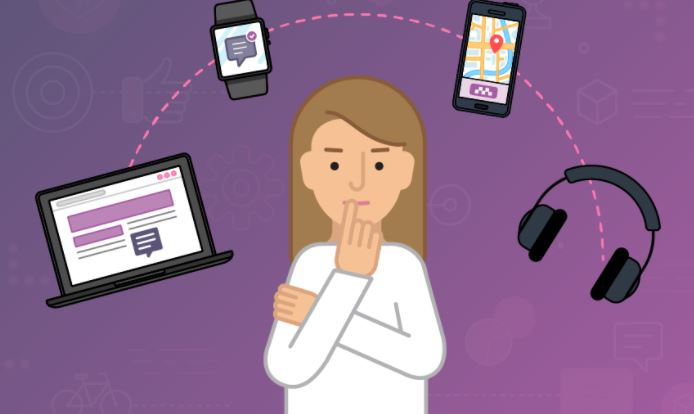
If your child is struggling with reading and/or writing, your Raise the Bar psychologist may recommend you trial text-to-speech and/or…
We are excited to announce our new blog series about Study Tips! Many parents ask us whether they should help their children with the…

Anxiety, stress and/or difficult emotions can impact a young person’s memory functioning, concentration and learning at school. Anxiety…
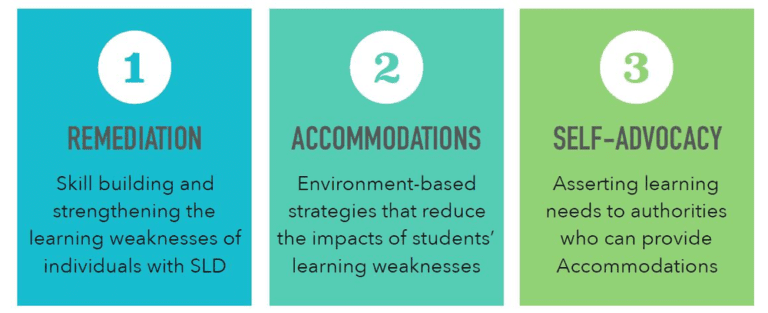
A Specific Learning Disorder (SLD) is a pattern of brain activity that makes it more challenging for people with SLD to learn and/or use…
Starting high school is a bigger shift for some students than others, especially where executive functioning, sensory needs or social anxiety are part of the picture. This guide walks parents of Year 6 students through building independence, communicating with the new school and easing anxiety well before Term 1 of Year 7 begins.

Why can a child read a familiar book fluently but freeze on a new three-letter word, or spell the same word three different ways on one page? This article explains how phonological awareness connects to reading and spelling, the early signs parents notice first, whether the behaviour is normal, and the practical steps to take before booking a formal cognitive or dyslexia assessment in Moonee Ponds.

Wondering whether an assessment could help you as an adult? This guide from our Melbourne psychologists covers why adults seek assessment, and what the process involves.

Wondering whether your teenager needs an assessment? This guide from our Melbourne psychologists covers the signs of teen ADHD and autism, and what the process involves.

Wondering whether your child needs an assessment? This guide from our Melbourne educational assessment psychologists covers the signs to look for and what the process involves.

The feedback session is over and the report is sitting on your desk. This action guide walks parents through what to do after a child’s psychological assessment, one practical step at a time, from school conversations to funding to ongoing support.